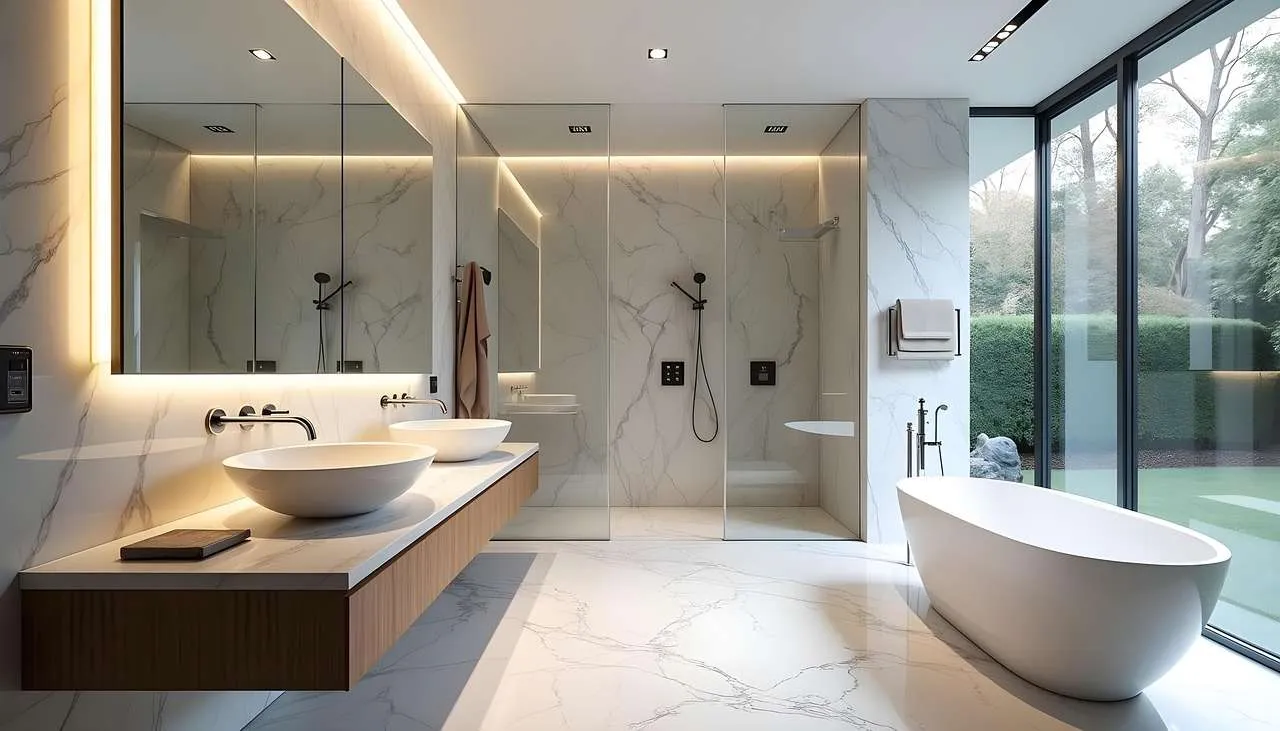
A small bathroom presents a design puzzle: how to maximize every inch without sacrificing form or function. With the right approach, you can create a space that feels open, remains organized, and stays visually cohesive. This guide, written by a seasoned designer with more than a decade of remodeling experience, focuses on small bathroom ideas that deliver big gains.
Why small bathroom ideas matter
Small bathrooms are the most common renovation projects because they impact daily life and home value. Efficient layouts reduce clutter and improve usability. By prioritizing vertical space, smart storage, and durable finishes, you can transform a cramped room into a calm, efficient retreat.
Smart layout principles
Zones and flow
Plan zones for wet, storage, and prep areas. Position the shower or tub opposite the door to maintain a sense of openness. Use a pocket or sliding door to save floor space and avoid a bulky swing that can block movement.
Door and hardware considerations
Switch to a sliding or pocket door and choose hardware with clean profiles to minimize space consumption and interference with movement. Heavy doors waste space; lightweight hardware saves space and keeps the room airy.
Fixtures that save space
Showers and tubs
Consider a 36×60 inch shower with a curved seat or a built-in bench. A frameless glass enclosure visually expands the room and reflects light, making the space brighter.
Sinks and vanities
Opt for wall-mounted or pedestal sinks, and vanities with shallow depths and integrated storage. Wall-mounted cabinets above the sink can store daily essentials without occupying floor area. A vertical storage unit next to the vanity can hold towels and toiletries.
Toilets
Choose compact or wall-hung toilets to reclaim floor space and ease cleaning. Dual-flush models save water and reduce maintenance over time.
Storage and organization
Integrated storage, niches in the shower, and recessed medicine cabinets keep essentials within reach while preserving floor area. Use vertical solutions—tall cabinets, open shelves above the vanity, and mounted hooks—to keep surfaces clear and the room feeling larger.
Lighting, color, and finishes
Bright, reflective surfaces create the illusion of space. Use a light color palette with a combination of matte and gloss finishes. Layer lighting with overhead, task, and mirror lights. A large or double-sided mirror can visually double the width of the room and improve daily routines.
Materials, durability, and maintenance
Choose moisture-resistant materials such as porcelain tile, quartz countertops, and durable vinyl or porcelain planks. Sealing corners, using anti-mold grouts, and selecting products rated for bathrooms improve longevity and reduce maintenance. Consistency in materials also helps the space feel cohesive.
Comparison and practical plan
| Feature | Standard Bathroom | Small Bathroom Ideas Approach |
|---|---|---|
| Layout efficiency | Separate zones; fixed fixtures with limited flexibility | Compact layouts; wall-mounted fixtures; pocket door |
| Storage | Under-sink cabinet, vanity cabinets | Recessed niches, tall cabinets, open shelving above vanity |
| Shower vs tub | Full-size tub often paired with shower | Walk-in shower with glass enclosure |
| Vanity depth | 18–22 inches typical | 12–16 inches; integrated storage |
| Lighting | Limited natural light, single fixture | Layered lighting, large mirror, reflective surfaces |
| Maintenance | More surfaces, higher cleaning effort | Simple lines, durable materials, easy-care finishes |
Implementation tips from professionals: allocate at least 4–6 weeks for a full remodel, obtain samples, and verify moisture ratings for all materials before committing. If you hire a licensed contractor, confirm the plan with a written scope, including ventilation, waterproofing, and permit requirements. The goal is a durable, easy-to-clean bathroom that remains stylish over time.
Beyond the basics, consider accessibility elements such as a wide doorway, a reachable shelf, and non-slip floors for aging in place. These adjustments fit well with small bathroom ideas and can be incorporated gradually in staged renovations.
Conclusion, ethics, and trust: This guidance reflects widely accepted design principles from professional designers and bathroom remodelers. You can adapt it to suit your budget, climate, and home layout while maintaining quality and safety.
Summary: By applying smart layouts, compact fixtures, effective storage, and durable finishes, small bathroom ideas can transform tight spaces into functional, beautiful rooms that feel larger and more comfortable.