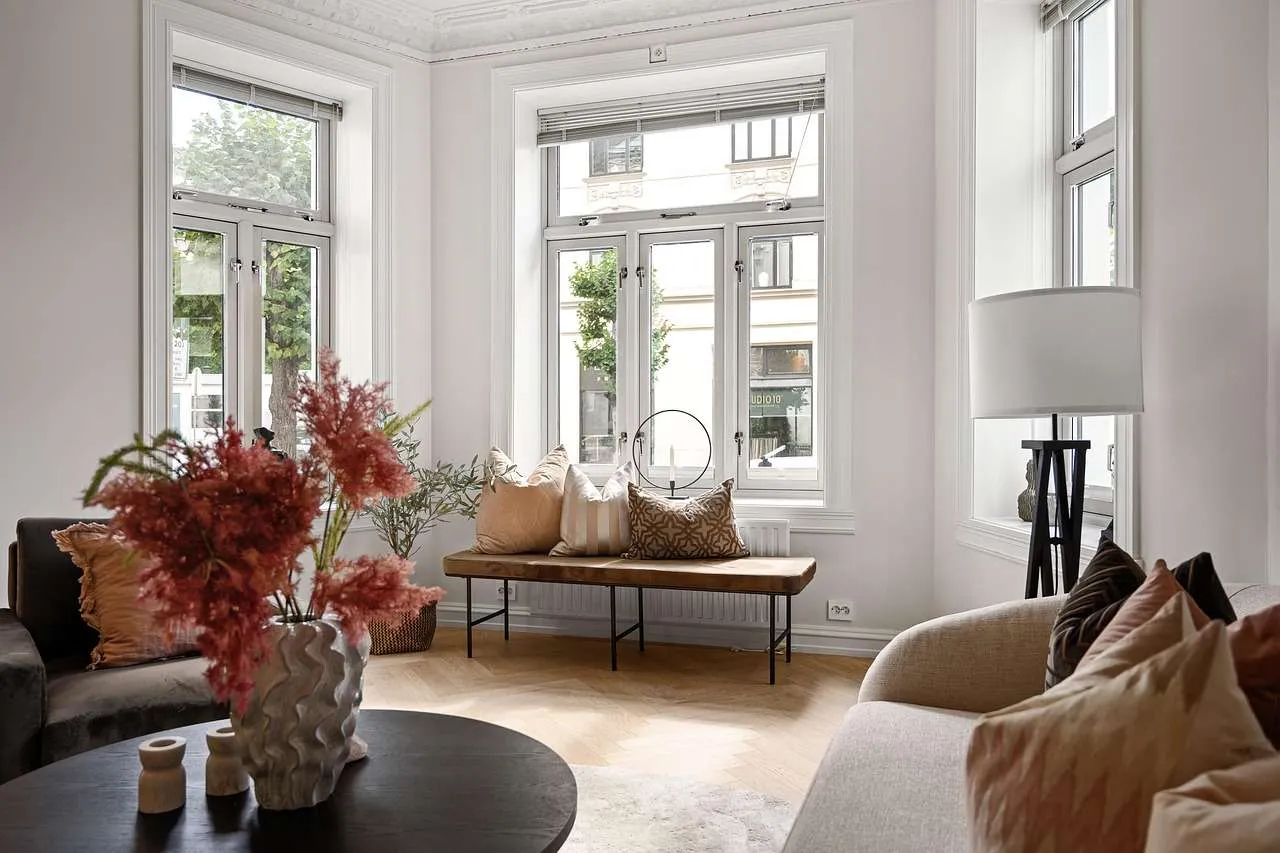
Home window tinting refers to applying a specialized film to your home's glass surfaces to reduce heat, UV exposure, and glare while enhancing comfort and privacy. Modern window films are durable, non reflective, and designed to preserve exterior views.
What is Home Window Tinting?
It is the installation of thin films on interior or exterior glass to improve energy efficiency, privacy, and safety. Films come in several technologies such as dyed, metalized, ceramic, and carbon. They are designed for long term home use and do not behave like automotive tints.
Benefits of Home Window Tinting
- UV protection that blocks up to 99 percent of ultraviolet rays, helping protect furnishings and skin.
- Heat reduction and energy savings by lowering cooling demand in hot months.
- Glare reduction which improves comfort for TV, computer work, and living spaces.
- Privacy and safety by limiting visibility while helping hold shattered glass in place if broken.
- Aesthetic options and maintenance advantages, with films that remain clear or subtly tinted for many years.
Types of Window Film
Dyed Films
Light absorbing dyes offer good appearance and low initial cost but can fade over time and provide moderate heat rejection.
Metalized Films
Metal layers reflect heat and reduce glare, but may interfere with electronics or GPS devices in some cases. Modern variants mitigate this issue.
Ceramic Films
Ceramic films provide high heat rejection, excellent clarity, non conductive properties, and are typically more durable though cost is higher.
Carbon and Hybrid Films
Carbon based films offer strong heat rejection with minimal reflectivity, often a good balance of performance and appearance.
Choosing the Right Film for Your Home
Consider your climate, sun direction, room usage, privacy needs, and budget. Decide whether you want a strong warranty and a nearly clear appearance or a darker tint for privacy.
How to Choose a Trusted Installer
Look for licensed professionals, transparent warranties, and industry certifications such as IWFA or other recognized standards. Ask for a portfolio of past projects, read independent reviews, and request an in home demonstration and a written estimate. A reputable installer will explain UV protection levels, glare reduction, film visible light transmission, and expected life span.
Installation Process and Maintenance
Expect a multi hour process for a typical home; professionals prepare the glass, apply the film with precision, and seal edges. After installation, avoid harsh cleaners and allow a curing period. Regularly dust with a soft cloth and avoid ammonia based products that can damage certain films.
Costs and Return on Investment
Costs vary by film type, window size, number of panes, and labor. Typical residential projects range from a modest per square foot amount to a higher end. While upfront investment exists, energy savings, reduced glare, and longer furniture life offer payback over time. Some regions offer incentives for energy efficient upgrades.
Comparison of Common Window Film Types
| Film Type | Best For | UV Rejection | Heat Reduction | Visible Light (VLT) | Durability | Price Range |
|---|---|---|---|---|---|---|
| Dyed | Low cost tinting | Good | Moderate | High | Moderate | Low |
| Metalized | High heat rejection | Very good | High | Variable | Durable | Moderate |
| Ceramic | All around performance | Excellent | Excellent | Neutral | Very durable | High |
| Carbon/Hybrid | Balanced performance | Excellent | Excellent | Neutral to slight | High | Moderate-High |
Maintenance and Longevity
Most films require minimal maintenance. Clean with a soft cloth and mild soap. Avoid abrasive cleaners and harsh solvents that can degrade adhesives. Schedule periodic checks for edge lifting, especially in climates with strong sun exposure.
Conclusion
Conclusion, home window tinting can reduce heat, protect interiors from UV, increase privacy, and improve comfort when you select the right film and a trusted installer. By understanding film types, evaluating costs, and choosing a qualified professional, you can maximize energy savings and preserve the look of your home for years to come.